Revit Structure Modeling: Turning Structural Concepts into Constructible Reality
In the modern construction industry, precision, coordination, and speed define success. Revit Structural Modeling Services professionals no longer rely on fragmented drawings or disconnected workflows. Instead, they use intelligent modeling tools that connect design intent with construction execution. Revit Structure Modeling stands at the center of this transformation. It allows teams to move confidently from early structural concepts to fully coordinated construction-ready models.
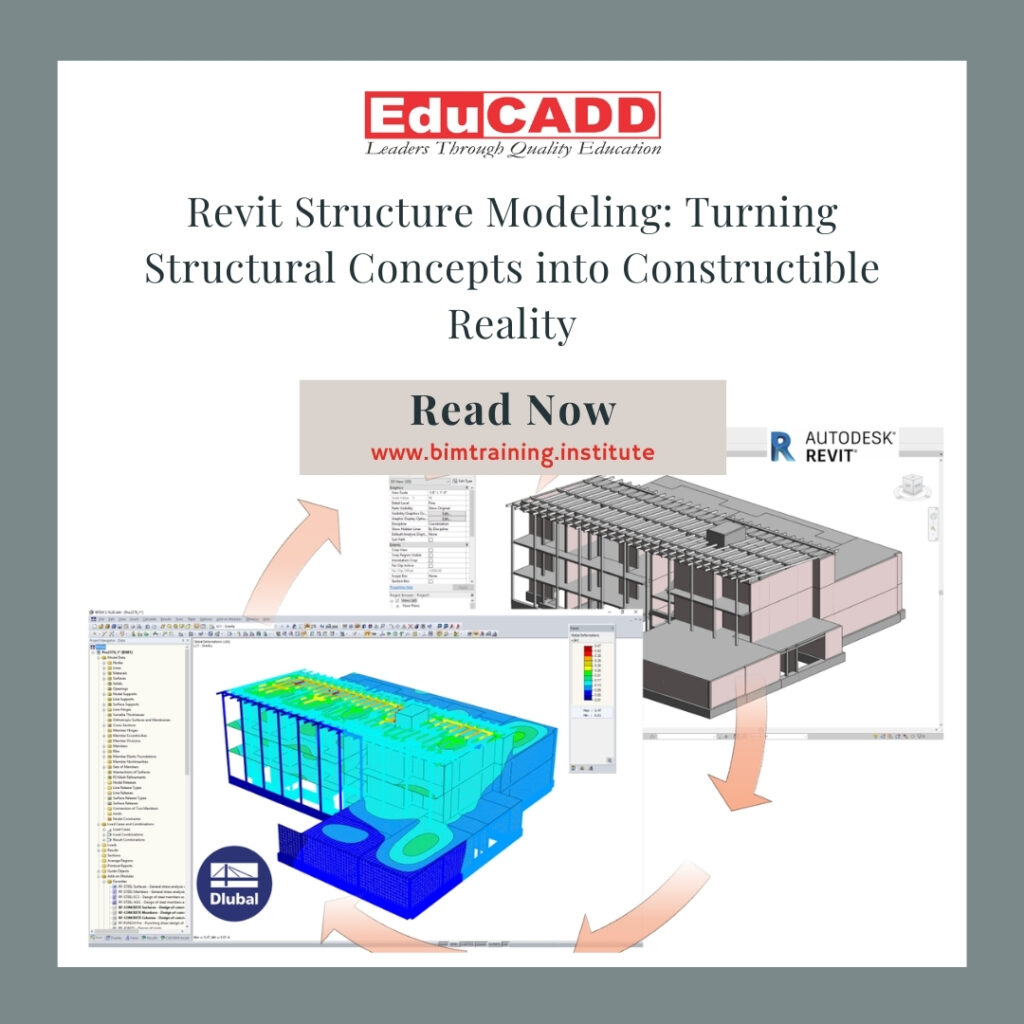
Revit Structure does more than create 3D visuals. It embeds data, logic, and relationships into every structural element. Beams know how they connect to columns. Slabs understand load paths. Reinforcement adapts to design changes. As projects grow in complexity, this intelligence becomes essential. From residential towers to industrial plants, Revit Structure Modeling ensures accuracy, efficiency, and collaboration across the project lifecycle.
Understanding Revit Structure Modeling at the Concept Stage
Every successful building begins with a clear structural concept. At this early stage, engineers explore design options, evaluate systems, and validate feasibility. Revit Revit Structural Modeling Services this phase by enabling rapid creation of conceptual structural frameworks. Engineers can define grids, levels, and primary structural members within minutes.
Conceptual modeling in Revit Structure allows quick iteration. Designers can test different column spacing, framing systems, and floor thicknesses without redrawing everything. Because the model remains parametric, changes update automatically across views. This flexibility helps teams compare alternatives and select optimal solutions early. As a result, costly design revisions reduce significantly later in the project.
Setting Up a Strong Structural BIM Framework
A well-structured model starts with a solid setup. In Revit Structure Modeling, this includes defining project units, levels, grids, and structural templates. These elements form the backbone of the entire model. Proper setup ensures consistency, clarity, and coordination throughout the project.
Levels represent floor elevations and construction stages. Grids control column placement and structural alignment. When engineers establish these elements carefully, modeling becomes faster and cleaner. Additionally, standardized templates help maintain uniform annotation, view settings, and families. This disciplined approach improves model quality and simplifies collaboration with architects and MEP teams.
Modeling Structural Elements with Accuracy and Intelligence
Revit Structure Modeling excels in creating precise structural components. Columns, beams, slabs, walls, and foundations behave like real-world elements. Each component carries material properties, dimensions, and analytical data. Engineers can model concrete, steel, timber, and composite structures within the same environment.
Unlike traditional drafting, Revit ensures that elements connect logically. Beams attach to columns. Walls align with levels. Slabs interact with supporting members. When a change occurs, the model updates automatically. This intelligence reduces errors and ensures that drawings always reflect the current design. As a result, engineers gain confidence in both design intent and documentation accuracy.
Reinforcement Modeling for Constructible Designs
Reinforcement detailing often consumes significant time and effort. Revit Structure Modeling simplifies this process by offering advanced rebar tools. Engineers can model reinforcement directly within concrete elements. Bars follow covers, bends, and spacing rules automatically.
With 3D reinforcement visualization, teams can detect clashes early. They can also verify constructability before issuing drawings. Revit generates accurate bar bending schedules directly from the model. This integration saves time and minimizes discrepancies between design and site execution. Ultimately, reinforcement modeling in Revit improves quality while reducing rework.
Structural Analysis Integration and Design Validation
Revit Structure Modeling bridges the gap between modeling and analysis. Engineers can create analytical models directly from physical elements. These models integrate seamlessly with structural analysis software. Load cases, boundary conditions, and combinations transfer smoothly.
This integration allows quick validation of design assumptions. Engineers can test load paths, deflections, and member forces early. When analysis results suggest changes, updates flow back into the Revit model. This continuous feedback loop enhances design reliability. It also ensures that structural decisions rest on verified performance data.
Coordination with Architectural and MEP Models
Modern projects demand close coordination across disciplines. Revit Structure Modeling supports this requirement through a shared BIM environment. Structural models align with architectural layouts and MEP systems. Teams can link models and work collaboratively without overwriting each other’s data.
Clash detection becomes more effective in this coordinated workflow. Engineers can identify conflicts between beams and ducts or columns and walls. Resolving these issues early prevents costly site changes. Through coordinated modeling, Revit Structure ensures that all disciplines work toward a unified project vision.
Detailing and Documentation for Construction Readiness
As the project moves toward execution, accurate documentation becomes critical. Revit Structure Modeling automates this process. Plans, sections, elevations, and details derive directly from the model. When the model changes, drawings update instantly.
This dynamic relationship eliminates inconsistencies. Engineers no longer worry about mismatched views or outdated details. Revit also supports advanced detailing, including connections, embeds, and construction joints. These features ensure that drawings meet construction standards and site requirements. High-quality documentation enhances contractor confidence and reduces RFIs.
Parametric Design and Change Management
Change remains inevitable in construction projects. Revit Structure Modeling manages change efficiently through parametric design. Every element relates to rules and constraints. When one parameter changes, related elements adjust automatically.
For example, altering a floor level updates column heights, wall extents, and reinforcement. This responsiveness saves time and maintains model integrity. Engineers can accommodate design revisions without rebuilding components. Effective change management ensures project timelines stay on track while maintaining design accuracy.
Quantity Takeoffs and Cost Estimation
Revit Structure Modeling supports data-driven decision-making. The model contains accurate quantities for all structural elements. Engineers and estimators can generate schedules for concrete volumes, steel tonnage, and reinforcement quantities instantly.
These takeoffs update automatically as the model evolves. This real-time accuracy improves cost estimation and budget control. Project teams can evaluate cost impacts of design changes quickly. By linking modeling with quantities, Revit Structure enhances financial transparency and planning reliability.
Construction Sequencing and Planning Support
Beyond design, Revit Structural Modeling Servicestructure Modeling aids construction planning. The model can support phasing and sequencing strategies. Engineers can assign construction stages to elements and visualize the build process.
This capability helps contractors understand structural progression. It also improves site logistics and safety planning. When teams visualize construction sequences, they identify risks early. Revit Structure thus extends its value from design office to construction site.
Quality Control and Model Auditing
High-quality models demand rigorous checking. Revit Structure Modeling includes tools for model review and auditing. Engineers can verify alignment, connectivity, and consistency across elements. Standardized families and naming conventions improve clarity.
Quality control processes ensure that models meet BIM standards and project requirements. This discipline reduces downstream issues and enhances stakeholder trust. A well-audited model becomes a reliable single source of truth throughout the project lifecycle.
Collaboration and Cloud-Based Workflows
With cloud-enabled BIM platforms, Revit Structure Modeling supports distributed teams. Engineers can work simultaneously on shared models. Version control and permissions maintain data integrity.
This collaborative environment accelerates decision-making. Teams resolve issues faster and communicate more effectively. Cloud workflows also support remote coordination, which has become essential in today’s global construction industry. Revit Structure adapts seamlessly to these modern working methods.
From Design Intent to On-Site Execution
The ultimate goal of Revit Structure Modeling lies in constructible outcomes. A well-developed structural model translates design intent into actionable construction information. Contractors rely on accurate drawings, quantities, and details generated from the model.
Because the model reflects real-world behavior, site execution becomes smoother. Fewer surprises occur during construction. Reduced errors lead to savings in time and cost. Revit Structure thus plays a vital role in delivering projects successfully from concept to completion.
Conclusion
Revit Structural Modeling Services has redefined how structural engineers approach design and construction. It connects early concepts with detailed execution through a single intelligent model. By integrating design, analysis, coordination, and documentation, it streamlines the entire workflow.
As projects become more complex, the demand for accuracy and collaboration will continue to grow. Revit Structure meets this demand with powerful tools and flexible workflows. Engineers who master this platform gain a competitive edge in the BIM-driven construction landscape. From concept sketches to construction-ready models, Revit Structure Modeling remains a cornerstone of modern structural engineering.