In the world of architecture, construction, and interior design, conveying ideas effectively to clients is as important as designing the spaces themselves. One of the most powerful ways to bridge the gap between technical drawings and client understanding is through Revit Rendering Visualization Services. Using Revit, professionals can create highly detailed, photorealistic images, walkthroughs, and 3D models that translate complex designs into compelling visual narratives. This process not only enhances client engagement but also accelerates project approvals, improves design accuracy, and strengthens professional credibility. By mastering Revit’s rendering capabilities, designers can present their concepts in a manner that is both visually striking and technically precise, ensuring clients can fully grasp the spatial and aesthetic intentions behind every project.
1. The Role of Visualization in Modern Design
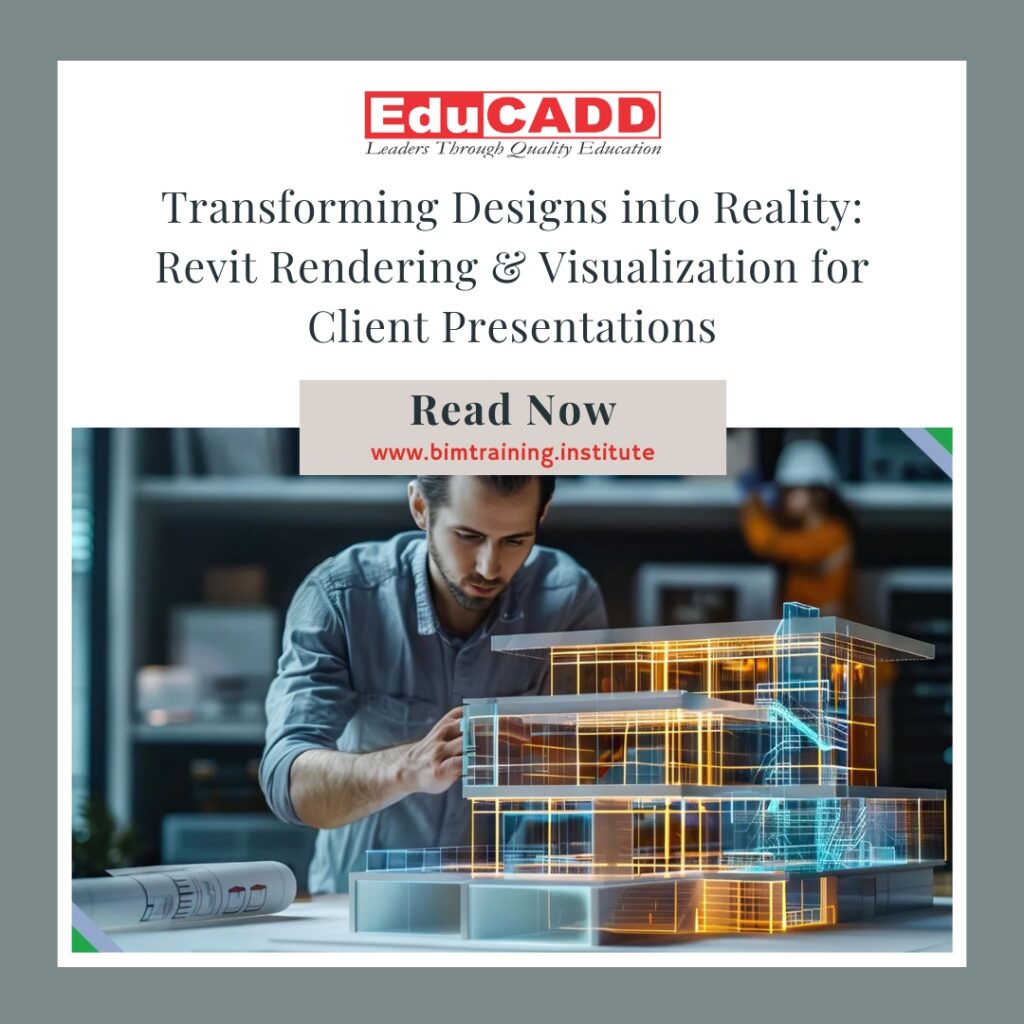
Visualization has become an indispensable part of the architectural and construction process. Clients today expect to see more than floor plans and elevations; they want to experience the design before construction begins. Revit Rendering Visualization Services allow architects and designers to communicate ideas effectively, providing immersive experiences that showcase lighting, textures, materials, and spatial relationships. Visualization helps prevent misunderstandings, reduces costly design changes, and aligns client expectations with the final output. Additionally, high-quality renderings serve as a marketing tool, enabling firms to attract new clients and showcase their portfolio with compelling visuals.
2. Understanding Revit Rendering Capabilities
Revit is not just a building information modeling (BIM) tool; it’s a comprehensive platform for creating lifelike renderings. Revit’s rendering engine allows designers to simulate natural light, reflections, shadows, and material textures with remarkable accuracy. Users can generate still images, 360-degree panoramas, and animations that bring projects to life. By combining Revit’s parametric modeling capabilities with rendering features, designers can experiment with design alternatives, visualize spatial arrangements, and refine material choices, ensuring the project meets both aesthetic and functional goals before construction begins.
3. Preparing Your Model for Rendering
Effective rendering begins with a well-prepared Revit model. Accurate modeling ensures that every component, from walls to furniture, responds correctly to lighting and materials. Clean geometry, proper layering, and realistic scaling contribute to better render outcomes. Additionally, designers should assign materials thoughtfully, ensuring textures, finishes, and colors reflect the final design intent. Elements such as window transparency, reflective surfaces, and surface imperfections play a significant role in achieving photorealism. Preparing the model meticulously not only saves time during rendering but also enhances the overall quality of client presentations.
4. Setting Up Lighting for Realism
Lighting can make or break a rendering. Revit offers both artificial and natural lighting simulation, enabling designers to replicate real-world conditions. Proper placement of light sources, adjustment of intensity, and consideration of shadows are essential for realism. Designers can use sun studies to simulate how natural light moves throughout the space during different times of day. Balancing lighting creates depth, highlights textures, and ensures the rendered image is visually engaging. Accurate lighting settings help clients understand the ambiance and mood of the space, which is critical for design approval.
5. Material Application and Texture Detailing
Materials play a pivotal role in bringing a design to life. Revit provides a library of materials, but customizing textures and finishes ensures a unique and realistic presentation. Designers can adjust parameters such as reflectivity, transparency, glossiness, and bump mapping to mimic real-world materials. Properly applied textures create depth, highlight surface details, and make the rendering more convincing. By focusing on material realism, designers can help clients visualize the tactile and aesthetic qualities of the space, bridging the gap between imagination and reality.
6. Camera Angles and Perspectives
Choosing the right camera angles is crucial for effective client presentations. Revit allows for multiple camera placements, enabling designers to showcase interiors, exteriors, and focal points dynamically. Perspective views, aerial shots, and walkthroughs can provide clients with a comprehensive understanding of the design. Strategic framing emphasizes key features, guides the viewer’s eye, and ensures the presentation communicates the design’s core value. Properly planned perspectives create a narrative that helps clients connect emotionally with the space.
7. Enhancing Renderings with Realistic Environments
Adding environmental elements such as trees, water, sky, and furniture enhances the overall appeal of renderings. Revit supports importing 3D objects or linking with external content libraries to enrich scenes. Environmental context provides scale, improves realism, and situates the design in its intended setting. By integrating surroundings, designers can show how the building interacts with its environment, giving clients a complete picture of the project’s impact and visual harmony.
8. Leveraging Render Settings for Optimal Quality
Revit offers multiple render settings, allowing designers to balance quality with processing time. Adjusting parameters such as resolution, anti-aliasing, and ray tracing improves clarity and realism. Designers can choose between cloud rendering for faster processing or local rendering for detailed control. Understanding these settings ensures that the final output meets client expectations without unnecessary delays. Fine-tuning render quality demonstrates professionalism and attention to detail, reinforcing trust in the designer’s expertise.
9. Creating Interactive Walkthroughs
Static images are powerful, but interactive walkthroughs elevate client presentations. Revit Rendering Visualization Services to create animated walkthroughs that guide clients through the space. Walkthroughs showcase spatial relationships, circulation, and design functionality. By simulating movement, clients gain a more intuitive understanding of the project. Interactive presentations make discussions more engaging, enabling designers to address concerns and adjustments in real-time. Walkthroughs also add a layer of sophistication that distinguishes professional presentations from standard proposals.
10. Post-Processing for Professional Impact
Post-processing in tools like Photoshop or Lumion can enhance Revit renderings further. Adjusting brightness, contrast, saturation, and adding subtle effects refines the visual output. Designers can also overlay furniture, people, or landscaping to create a more complete vision. Post-processing ensures renderings are polished and visually compelling, making client presentations more persuasive. While Revit provides a strong foundation, thoughtful editing elevates the rendering from technical illustration to visual storytelling.
11. Common Challenges and Solutions
Rendering in Revit comes with challenges such as long processing times, hardware limitations, and balancing realism with performance. Designers may encounter issues with material mapping, lighting inconsistencies, or file size constraints. Solutions include optimizing models, using proxies for complex elements, adjusting render quality, and leveraging cloud rendering services. Awareness of these challenges and proactive troubleshooting ensures that client presentations remain smooth, timely, and effective.
12. Benefits for Client Communication
Revit rendering and visualization significantly improve client communication. High-quality renderings eliminate ambiguity, align expectations, and reduce revisions. Clients can visualize the design accurately, provide meaningful feedback, and make informed decisions. Visualization fosters confidence in the designer’s expertise and enhances collaborative decision-making. It transforms technical drawings into a narrative experience, making the design process transparent, engaging, and client-centric.
13. Impact on Project Success
Projects supported by visualizations tend to experience higher approval rates, fewer design conflicts, and streamlined construction phases. Clear presentations allow stakeholders to identify potential issues before they become costly problems. Revit renderings help bridge communication gaps among architects, engineers, and clients, ensuring smoother coordination. By incorporating visualization into project workflows, firms enhance efficiency, reduce errors, and strengthen client satisfaction.
14. The Future of Revit Visualization
With continuous advancements in technology, Revit rendering and visualization are evolving rapidly. Integration with virtual reality (VR), augmented reality (AR), and real-time rendering platforms offers immersive client experiences. Designers can explore design alternatives instantly, simulate lighting changes interactively, and present projects in a highly engaging format. The future of visualization lies in creating experiences, not just images, allowing clients to fully inhabit the designs before construction begins. Mastering these tools positions designers at the forefront of innovation and client service excellence.
Conclusion
Revit Rendering Visualization Services is no longer optional—it is essential for modern design communication. By leveraging Revit’s capabilities, designers transform abstract concepts into compelling visual narratives, enhancing client understanding, satisfaction, and project success. From meticulous model preparation to realistic lighting, materials, and interactive walkthroughs, each step contributes to creating immersive and persuasive presentations. As visualization technology continues to advance, designers who master these skills will not only improve project outcomes but also establish a competitive edge in the architecture and construction industry. By embracing the power of Revit renderings, firms can communicate design intent clearly, impress clients consistently, and ensure that every project moves forward with confidence and clarity.