Building a Greener Future with BIM-Driven Sustainable Design
The global construction industry is undergoing a major transformation. Sustainability is no longer a choice; it is a responsibility. Architects, engineers, and developers now face growing pressure to reduce environmental impact while improving building performance. In this evolving landscape, BIM Sustainable Design Solutions has emerged as a powerful solution. Building Information Modeling, commonly known as BIM, enables professionals to design smarter, analyze deeper, and build more responsibly.
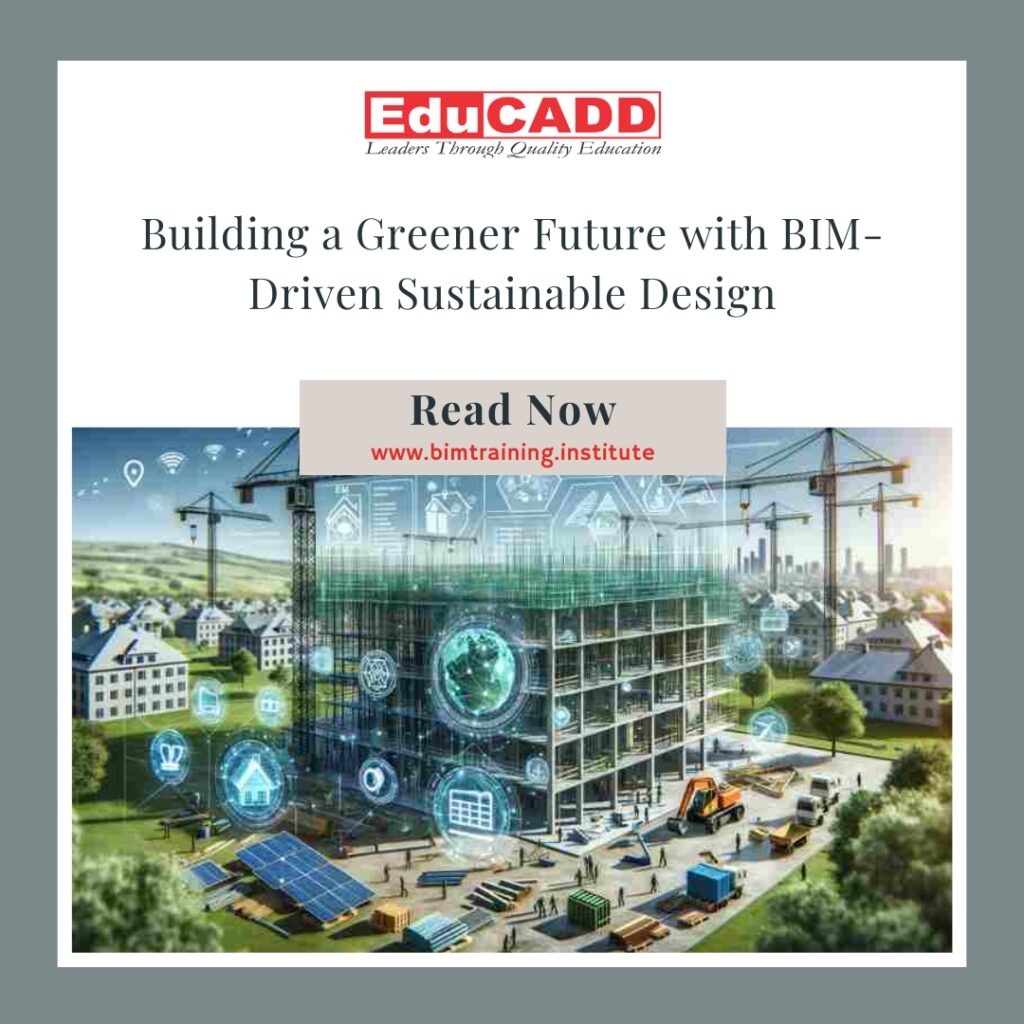
Unlike traditional design methods, BIM allows teams to visualize, simulate, and optimize a building’s energy behavior before construction begins. This proactive approach reduces waste, lowers operational costs, and supports long-term environmental goals. As energy regulations tighten and client expectations rise, BIM-based sustainable design has become a strategic advantage rather than a technical upgrade.
This blog explores how Sustainable Design Using BIM – Energy & Performance Analysis reshapes modern construction. It explains concepts, tools, workflows, and real-world benefits in detail. More importantly, it shows how BIM helps create buildings that perform better for people and the planet.
1. Understanding Sustainable Design in the Modern Built Environment
Sustainable design focuses on minimizing negative environmental impact while enhancing occupant comfort and building efficiency. It considers energy use, water consumption, material selection, indoor air quality, and lifecycle costs. In today’s built environment, sustainability extends beyond aesthetics or compliance. It influences long-term operational performance.
Sustainable Design Using BIM – Energy & Performance Analysis supports this holistic approach. BIM integrates design data into a single intelligent model. This model enables teams to evaluate sustainability factors early in the design stage. As a result, decisions become data-driven rather than assumption-based.
Moreover, sustainable design encourages balance. It aligns environmental responsibility with economic feasibility. BIM strengthens this balance by providing accurate simulations and measurable outcomes. Therefore, sustainability becomes achievable, scalable, and practical across projects of all sizes.
2. The Role of BIM in Sustainable Building Practices
BIM acts as the digital backbone of sustainable construction. It centralizes architectural, structural, and MEP data into one coordinated platform. This integration improves collaboration and reduces design conflicts.
When teams apply Sustainable Design Using BIM – Energy & Performance Analysis, they gain the ability to test multiple design scenarios. For example, they can compare façade options, orientation strategies, or HVAC systems. Each option shows measurable energy performance results.
Additionally, BIM improves transparency. Stakeholders can clearly understand how design choices affect energy efficiency and environmental impact. This clarity supports informed decision-making and strengthens sustainability commitments from concept to completion.
3. Energy Analysis as a Foundation for Sustainable Design
Energy analysis forms the core of sustainable building performance. It evaluates how a building consumes, conserves, and distributes energy. Without accurate analysis, sustainability remains theoretical.
Sustainable Design Using BIM – Energy & Performance Analysis enables dynamic energy simulations. These simulations assess heating, cooling, lighting, and equipment loads. Designers can identify inefficiencies early and adjust designs accordingly.
Furthermore, energy analysis through BIM supports compliance with energy codes and green certifications. It also helps reduce operational costs over the building’s lifespan. As energy prices fluctuate, this predictive capability becomes increasingly valuable.
4. Performance Analysis Beyond Energy Consumption
Sustainable design extends beyond energy metrics. Performance analysis includes thermal comfort, daylight availability, acoustics, and ventilation effectiveness. BIM platforms allow teams to evaluate these factors simultaneously.
Through Sustainable Design Using BIM – Energy & Performance Analysis, designers can simulate occupant comfort under real-world conditions. They can analyze solar glare, heat gain, and airflow patterns. These insights improve user experience while reducing reliance on mechanical systems.
As a result, buildings become healthier and more productive spaces. Performance analysis ensures sustainability benefits both the environment and the people who occupy the building.
5. Early-Stage Design Decisions and Their Long-Term Impact
Early design decisions shape up to 80 percent of a building’s environmental impact. Orientation, massing, and envelope design influence energy demand more than later upgrades.
BIM supports Sustainable Design Using BIM – Energy & Performance Analysis from the conceptual stage. Designers can test building orientation against solar exposure. They can also explore shading strategies and material options.
By making informed decisions early, teams avoid costly redesigns later. This proactive approach enhances sustainability while keeping projects on schedule and within budget.
6. Integrating Renewable Energy Systems Through BIM
Renewable energy integration plays a crucial role in sustainable buildings. Solar panels, wind systems, and geothermal solutions reduce dependency on fossil fuels.
Sustainable Design Using BIM – Energy & Performance Analysis allows accurate modeling of renewable systems. Designers can simulate energy production based on location, climate, and building geometry. This data helps determine feasibility and return on investment.
Additionally, BIM supports coordination between renewable systems and building services. This integration ensures optimal performance and simplifies maintenance over time.
7. Material Selection and Lifecycle Performance Analysis
Material choices significantly affect a building’s sustainability profile. Embodied carbon, durability, and recyclability all matter.
BIM enables lifecycle assessment within BIM Sustainable Design Solutions– Energy & Performance Analysis. Teams can compare materials based on environmental impact and long-term performance. This comparison supports responsible sourcing and waste reduction.
Moreover, BIM tracks material quantities accurately. This precision minimizes over-ordering and reduces construction waste. As sustainability standards evolve, lifecycle analysis becomes a critical design requirement.
8. Daylighting Analysis for Energy Efficiency and Well-Being
Natural light improves occupant comfort and reduces artificial lighting demand. However, excessive daylight can cause glare and heat gain.
Through Sustainable Design Using BIM – Energy & Performance Analysis, designers can optimize daylight distribution. BIM tools simulate sunlight penetration throughout the year. These simulations help balance illumination and thermal comfort.
Well-designed daylight strategies enhance productivity and lower energy consumption. BIM makes this balance achievable through data-driven design adjustments.
9. HVAC Optimization Using BIM-Based Performance Data
Heating, ventilation, and air conditioning systems account for a large portion of energy use. Optimizing HVAC design is essential for sustainability.
BIM supports Sustainable Design Using BIM – Energy & Performance Analysis by enabling detailed HVAC simulations. Engineers can test system sizing, zoning, and control strategies. This testing prevents oversizing and improves efficiency.
Optimized HVAC systems reduce operational costs and enhance indoor air quality. BIM ensures these systems align with the building’s overall sustainability goals.
10. Reducing Carbon Footprint Through Predictive Modeling
Carbon reduction remains a global priority. Buildings contribute significantly to greenhouse gas emissions.
Sustainable Design Using BIM – Energy & Performance Analysis helps quantify and reduce carbon impact. Predictive modeling estimates emissions throughout the building lifecycle. Designers can then adjust strategies to lower carbon output.
This proactive approach supports climate commitments and enhances corporate responsibility. BIM turns carbon reduction into a measurable design objective.
11. Supporting Green Building Certifications with BIM
Green certifications such as LEED, BREEAM, and IGBC require detailed performance documentation. BIM simplifies this process.
By using Sustainable Design Using BIM – Energy & Performance Analysis, teams can generate accurate reports for certification credits. Energy models, daylight studies, and material data align with certification criteria.
This efficiency reduces administrative effort and improves approval success rates. BIM transforms certification from a burden into a streamlined workflow.
12. Collaboration and Data-Driven Sustainability Decisions
Sustainable design requires collaboration across disciplines. Miscommunication can undermine sustainability goals.
BIM fosters collaboration by providing a shared data environment. Sustainable Design Using BIM – Energy & Performance Analysis ensures all stakeholders access consistent performance data.
As a result, decisions align with sustainability targets. Teams work cohesively rather than in isolation, improving project outcomes.
13. Overcoming Challenges in BIM-Based Sustainable Design
Despite its benefits, BIM adoption presents challenges. Skill gaps, software costs, and workflow changes can create resistance.
However, Sustainable Design Using BIM – Energy & Performance Analysis delivers long-term value. Training and standardization help overcome initial barriers. Over time, efficiency gains outweigh implementation costs.
Organizations that invest in BIM sustainability strategies position themselves for future success.
14. The Future of Sustainable Design with BIM Technology
The future of construction lies in intelligent, data-driven design. BIM continues to evolve with AI, digital twins, and real-time performance monitoring.
BIM Sustainable Design Solutions – Energy & Performance Analysis will become even more predictive and adaptive. Buildings will respond dynamically to environmental conditions and occupant behavior.
This evolution marks a shift from static sustainability to continuous performance optimization.
Conclusion
Sustainability defines the future of the built environment. To meet this challenge, the industry needs tools that combine creativity with precision. BIM Sustainable Design Solutions provides that capability. It empowers professionals to design buildings that consume less energy, emit less carbon, and deliver greater comfort.
By integrating energy modeling, performance analysis, and lifecycle thinking, BIM transforms sustainability from an abstract goal into a measurable reality. As regulations tighten and expectations rise, BIM-driven sustainable design will no longer be optional. It will be essential.
Ultimately, BIM enables the creation of buildings that respect the environment while enhancing human experience. That balance defines true sustainability—and BIM is the pathway to achieving it.